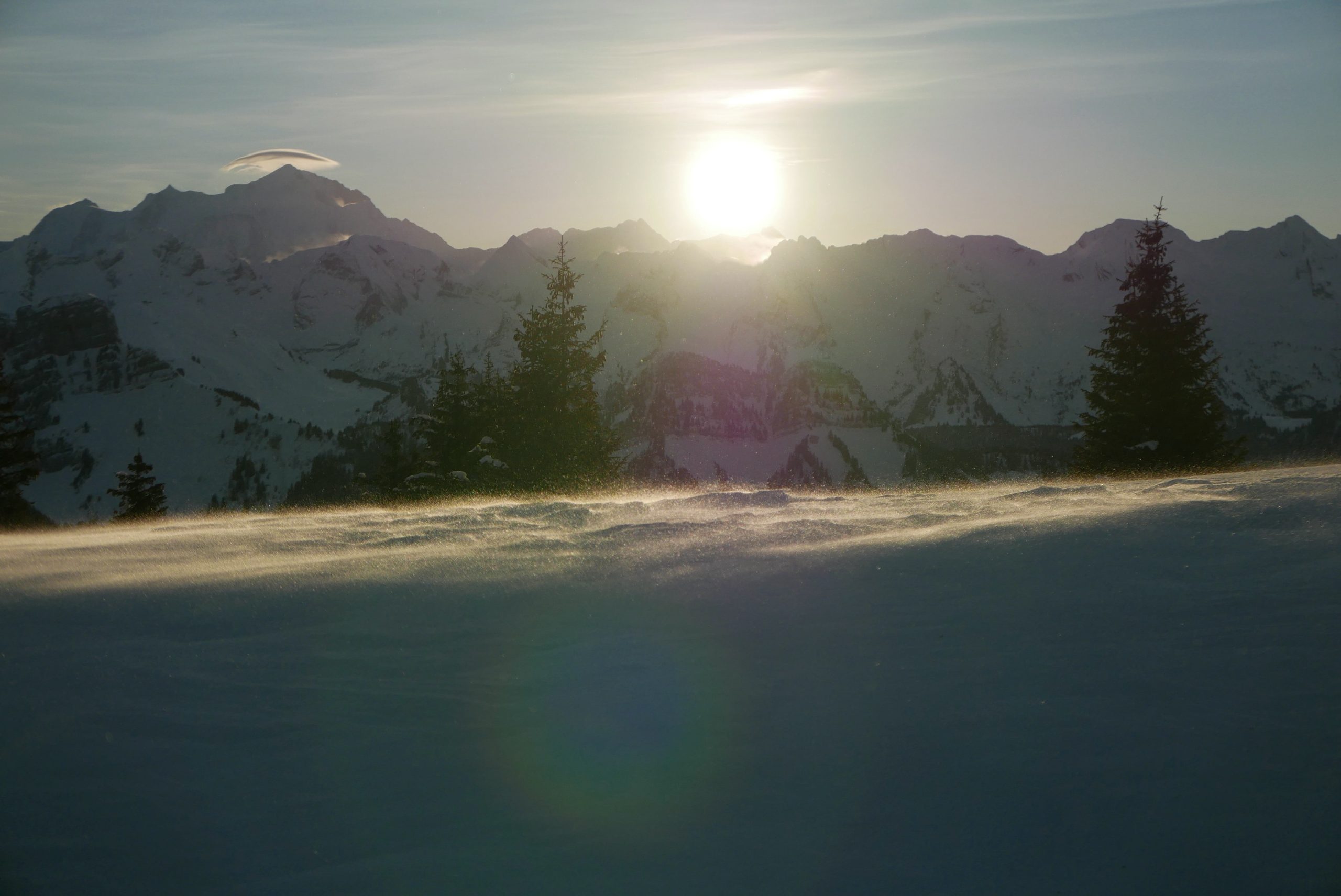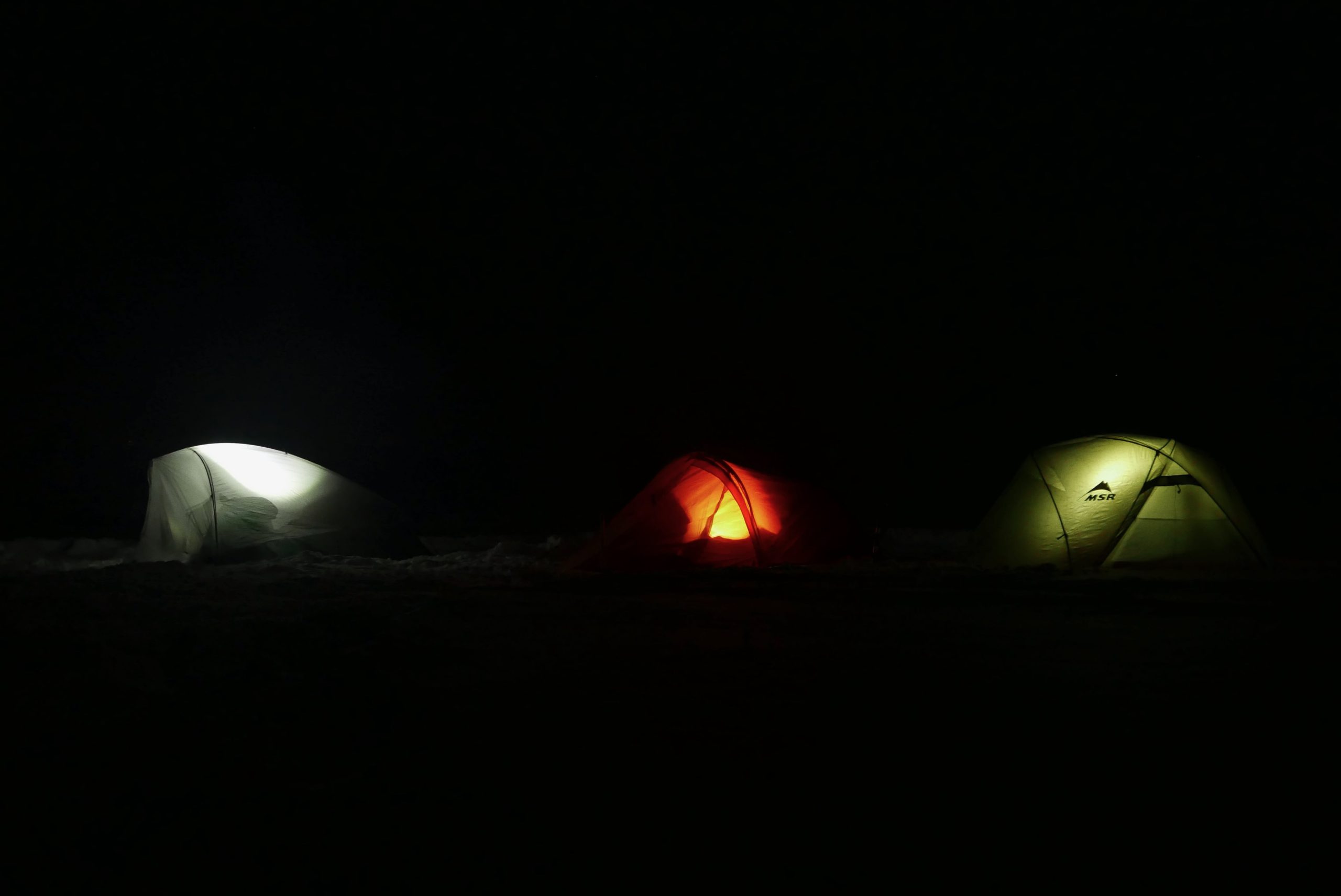
A micro-adventure on snowshoes, with an overnight stay in a tent on the snow
Experience a guided winter bivouac in Haute-Savoie a journey of immersion, self-reliance, and snow-covered mountains.
I invite you to experience a unique winter bivouac in the mountains a total immersion in nature that will push you well beyond your comfort zone.
Guided by a professional mountain leader, you will learn how to select the ideal spot to set up camp in the snow, taking into account both terrain conditions and the weather. Throughout the experience, your guide will be there to ensure your safety, offer expert advice, and share their knowledge of the mountain environment you are exploring.
This guided winter bivouac serves as a true introduction to mountain life in real-world conditions, focusing on self-reliance, adaptability, and discovering the natural world.
The highlight of the evening: enjoying a traditional Savoyard fondue outdoors under the stars, in a magical and convivial atmosphere, before tucking into your sleeping bag for a night in the heart of the mountains.
This wilderness adventure promises unforgettable memories—from the profound silence of the mountains and a star-studded sky to a truly unique human experience.
Program
Day 1: Ascent to the bivouac site
200 to 500m elevation gain; 1.5 to 2 hours of hiking.
Following the initial briefing, we begin our ascent toward our bivouac site.
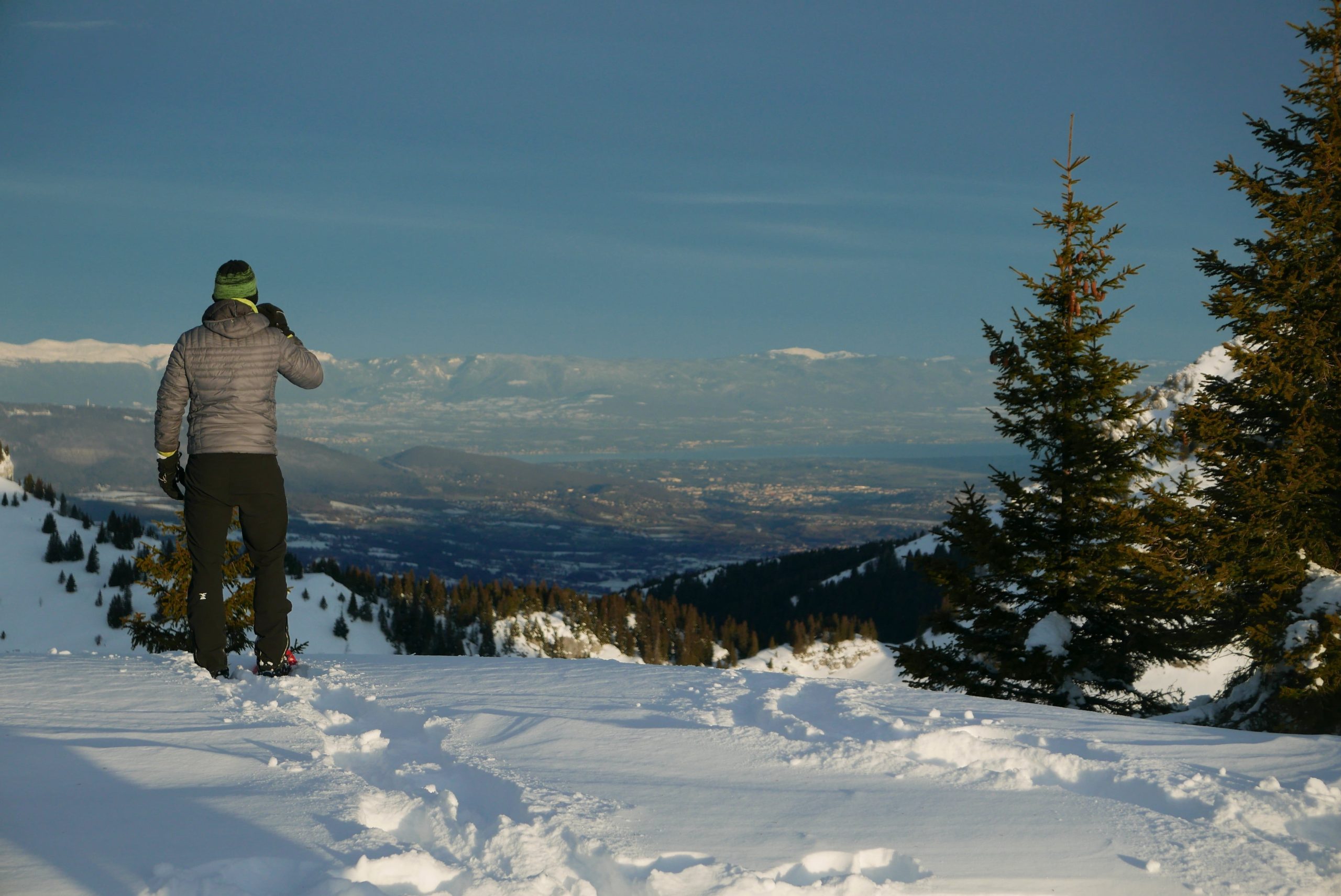
We will make our way off-trail, moving between forests and alpine pastures in a pristine, untouched environment. As we progress, the view opens up to reveal the surrounding mountains—the perfect moment to scout the ideal spot to set up camp.
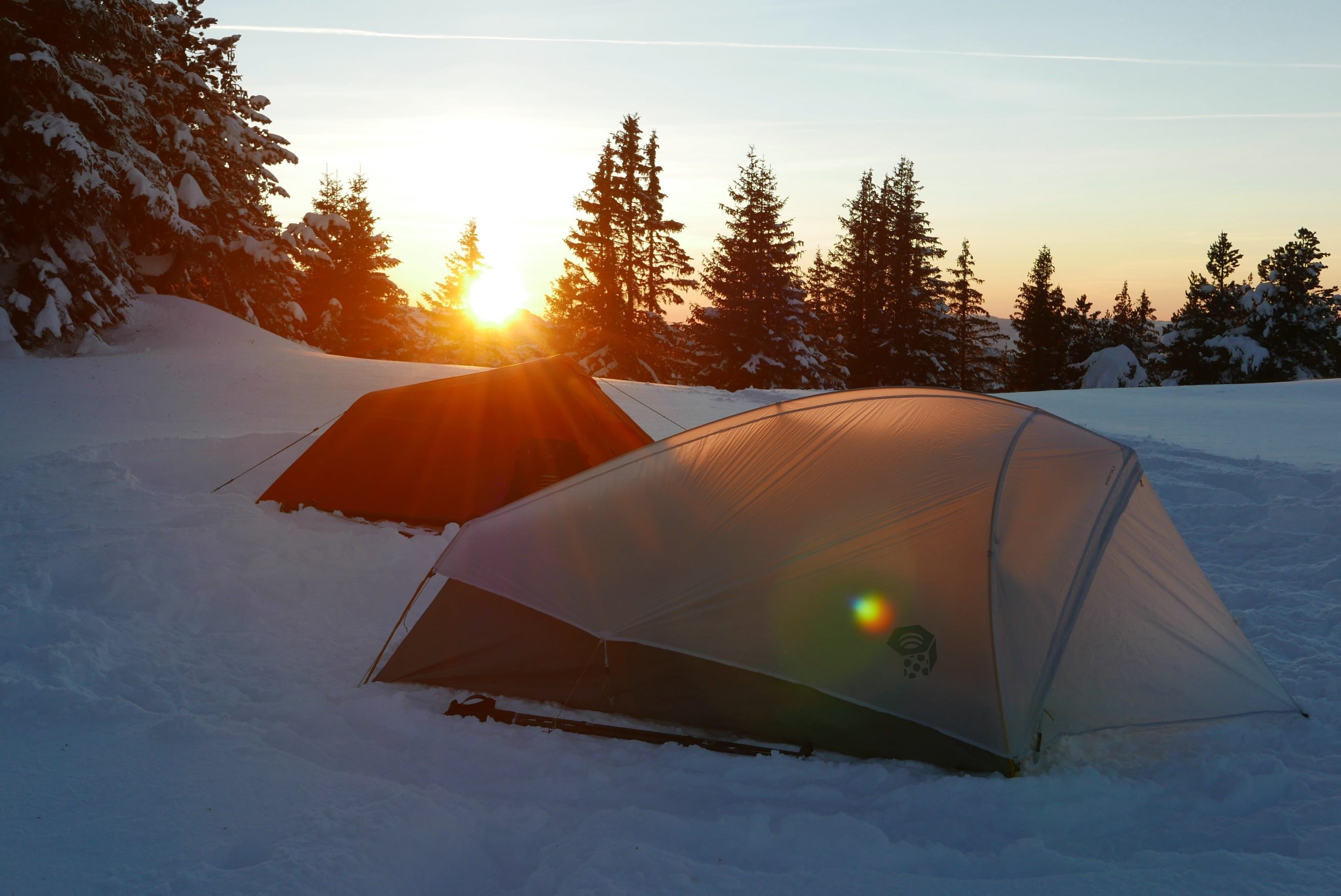
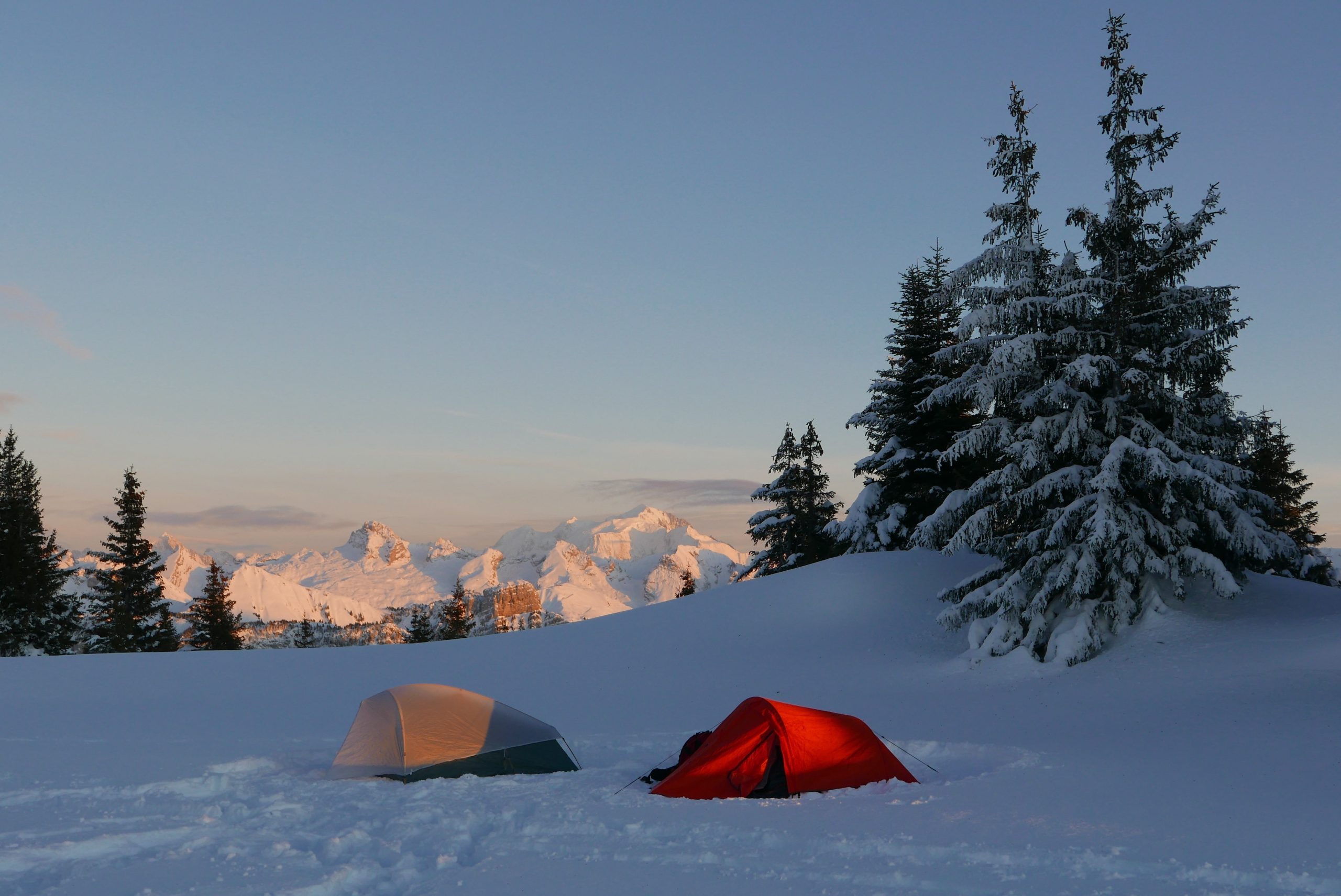
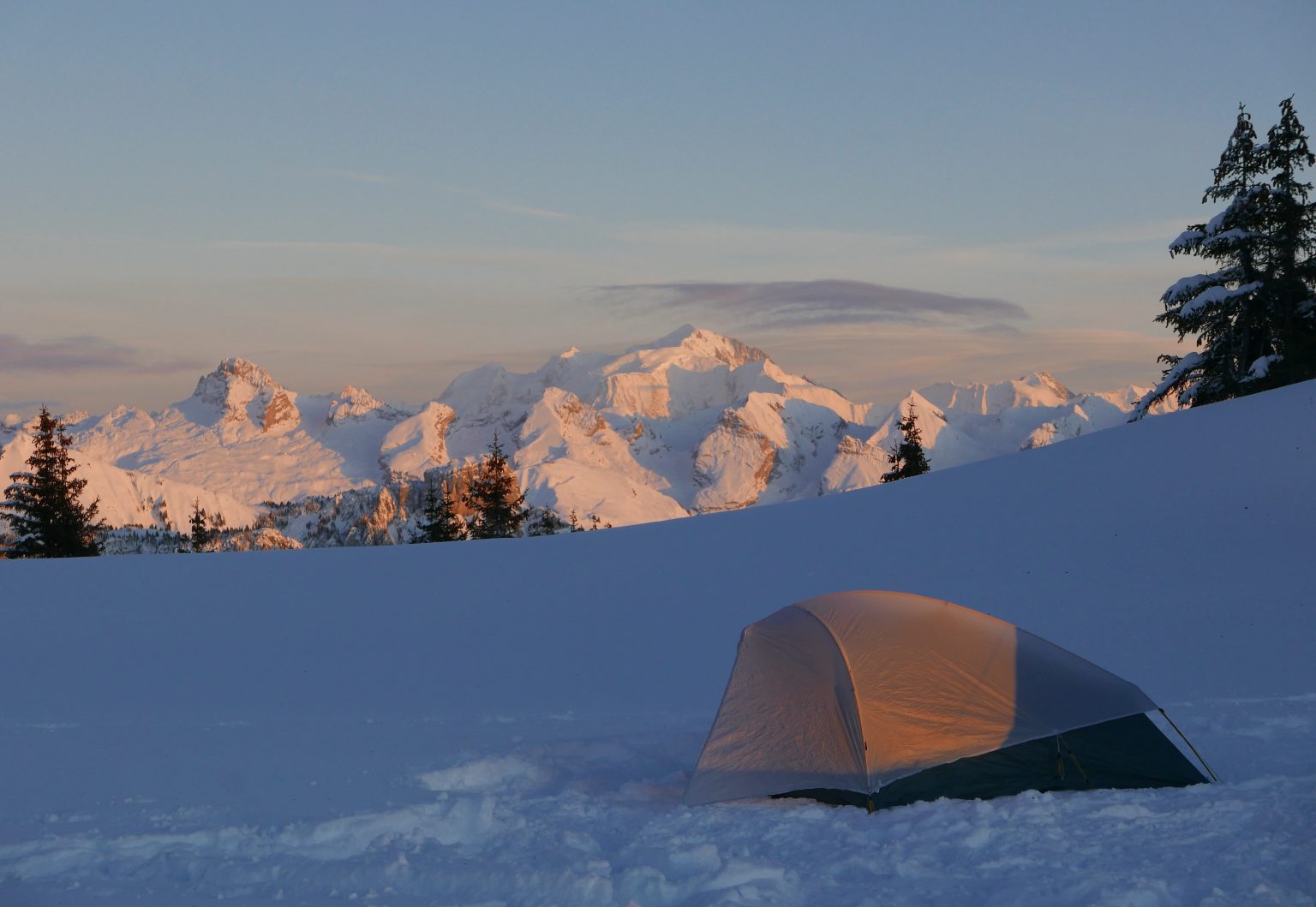
The afternoon’s agenda includes pitching tents in the snow, carving a table out of the snow for our meal, enjoying an evening aperitif while taking in the sunset colors, sharing a hearty dinner, and soaking in the spectacle provided by nature.
Overnight in a tent under the stars.
Day 2: Return
200 to 500m elevation gain; 1.5 to 2 hours of walking.
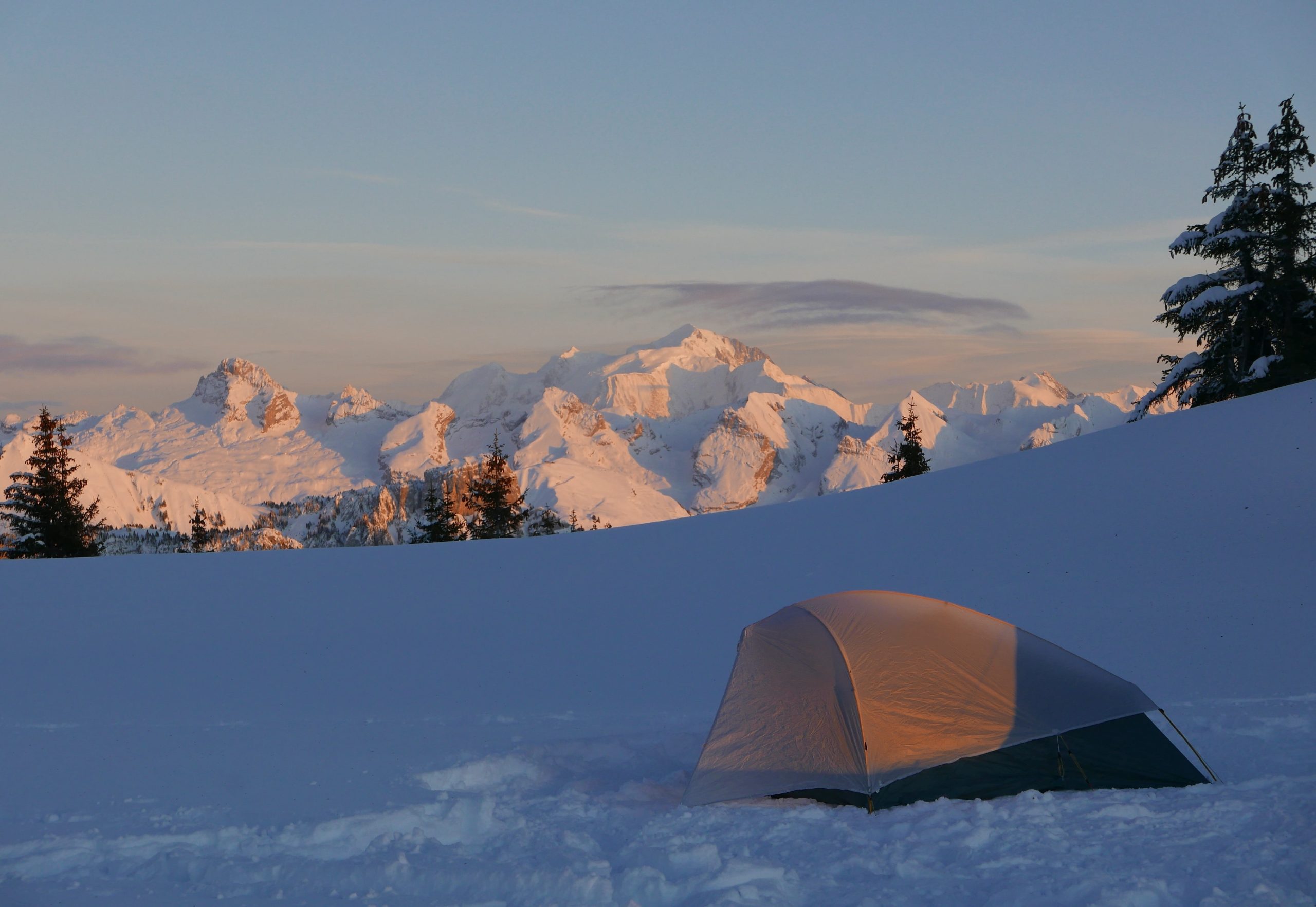
After a good night’s sleep in your extreme-cold sleeping bags, you will be the first to watch the sun rise over Mont Blanc—what a privilege!
Following breakfast, it will be time to break camp and head back to the starting point from the day before, your mind filled with wonderful memories.
Information & Pricing
Price: The larger your group, the lower the price: expect to pay €900 for a solo participant, down to as little as €290 per person for a group of up to 8 participants.
Activity schedule:
Day 1: Departure around 1:30 PM
Day 2: Return around 12:00 PM
The price includes
Supervision by a state-certified mountain guide.
Loan of snowshoes and poles.
Loan of bivouac equipment (tent, extreme-cold sleeping bag, insulating sleeping mat, camping stove, shovel, and cooking gear).
Meals (dinner and breakfast).
The price does not include
Rescue and repatriation insurance (Mandatory).
Cancellation insurance (Recommended).
Transportation to the trip’s starting point.
Drinks and trail snacks (dried fruit, cereal bars).
Your hiking gear.
Anything not listed under the “price includes” section.
IMPORTANT
The program is provided for informational purposes only.
The mountain guide may modify or adapt the itinerary on a daily basis, depending on:
• weather conditions;
• snow conditions;
• the actual technical and physical level of the participants;
• safety requirements.
The “all-inclusive” packages are sold and organized by the Annecy Guides’ Office (Bureau des Guides d’Annecy), a travel and tour operator registered with Atout France under number IM074260009. The organization is covered by a financial guarantee from the APST and holds professional liability insurance through HISCOX SA.
F.A.Q.
Where does the winter snowshoeing bivouac take place?
Winter bivouacking can take place in various areas of Haute-Savoie, depending on conditions: the Plateau des Glières, the Pointe d’Orsière sector, the Bornes massif, or certain routes in the Aravis range. The exact location is chosen based on snow cover, weather, the group’s skill level, and safety considerations.
Is it necessary to have already slept outside in winter?
No, prior experience with winter bivouacking is not required. However, the activity does call for strong motivation, the ability to walk in snowshoes, and a desire to spend a night in cold conditions. The guides will show you the proper techniques for setting up camp and sleeping outdoors safely.
Does the bivouac still go ahead in the event of bad weather?
Safety remains the top priority. In the event of adverse weather, strong winds, terrain-related risks, or unsuitable snow conditions, the route may be altered, the location changed, or the outing postponed. In winter, adapting to the conditions is essential.
Is a meal planned during the bivouac?
Yes, the experience generally includes a hot dinner—featuring a convivial moment sharing a Savoyard fondue in the open air—as well as breakfast the following morning. Depending on the specific package, you may still need to provide your own personal drinks and trail snacks.
A Snowshoeing Winter Bivouac in Haute-Savoie
A winter bivouac is a unique experience. While sleeping outdoors in summer offers a deep immersion in nature, doing so in winter takes that immersion to another level: the cold, the snow, the silence, and the light completely transform one’s perception of the mountains.
Traveling on snowshoes is an integral part of the adventure. It allows you to reach a suitable area, far from the bustle of ski resorts and well-trodden paths. Each step through the snow brings you closer not only to your campsite but also to a different way of experiencing the mountains—one that is slower, simpler, and more attentive.
Near Annecy, the Plateau des Glières is an excellent location for this type of micro-adventure. With its Nordic atmosphere, vast open spaces, and high altitude, it is an ideal setting for learning how to bivouac in winter—provided the conditions are right. Other areas within the Bornes or Aravis mountains can also be considered, depending on snow cover, weather conditions, and the group’s experience level.
Setting up camp is a crucial moment. You must choose the right spot, taking into account factors like wind, slope, snow conditions, exposure, and overall comfort. Pitching a tent on snow, insulating your sleeping area, organizing a space for meals, and managing the cold are all practical tasks that provide a better understanding of what it means to be self-sufficient in a winter environment.
As evening falls, the mountain’s atmosphere shifts. The colors fade, the contours of the landscape gradually soften, and the silence becomes more profound. Sharing an aperitif followed by a Savoyard fondue—out in the open air, beneath the stars—makes the experience simple, warm, and truly memorable.
Spending a night in a tent on the snow requires a degree of adaptation, but that is precisely what makes the adventure so impactful. Comfort is minimal, the environment is raw and real, and every detail counts: dressing appropriately, staying dry, managing body heat, organizing your gear, and keeping pace with the group.
Guided by a mountain leader, you can enjoy this experience within a secure framework. In winter, conditions change rapidly—weather, visibility, snow quality, temperature, fatigue levels, and terrain safety must be constantly assessed. Consequently, the choice of route and bivouac site is always tailored to the prevailing conditions.
This “micro-adventure” is designed for those seeking more than just a standard snowshoe hike. It is a comprehensive experience—athletic, human, educational, and contemplative all at once. It offers a unique way to discover the Haute-Savoie region in winter, blending self-reliance, immersion in nature, and shared moments.